Is SEO dying in 2026? It’s the question every marketer, blogger and small business owner is asking right now. Google answers questions with AI Overviews, people chat with ChatGPT instead of searching, and organic clicks seem to shrink every month. So is SEO dying in 2026, or is it simply changing shape?
Short answer: SEO is not dead. But the old version of SEO, the one built on thin keyword-stuffed posts and chasing ten blue links, is fading fast. In this guide, I’ll walk you through the real numbers, seven brutal truths about search today, and a simple plan you can follow to keep growing your traffic.
Is SEO Dying in 2026? What the Data Really Says
Let’s start with facts, not fear. Two pieces of 2026 research explain why so many people believe SEO is dying:
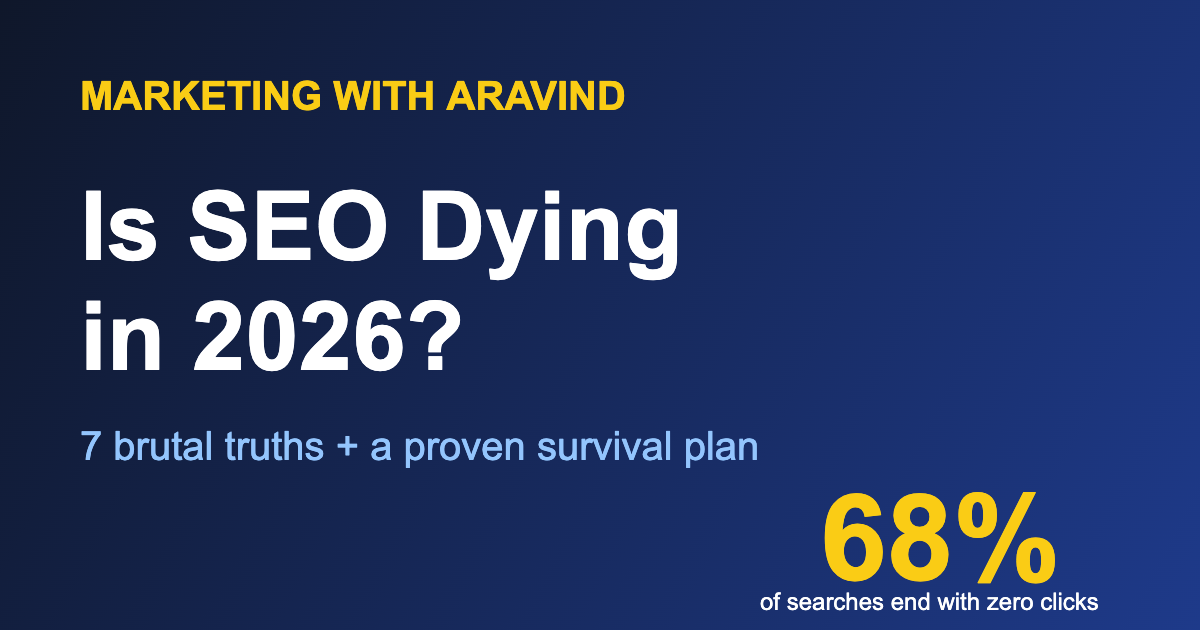
- 68% of U.S. Google searches now end without a click. SparkToro’s analysis of Similarweb data for January to April 2026 found zero-click searches at 68.01%, up from 60.45% in 2024 (source).
- AI Overviews cut organic clicks by 38%. A randomized field experiment by researchers from the Indian School of Business and Carnegie Mellon with 1,065 U.S. users found that AI Overviews reduced clicks to external websites by 38% on the queries where they appeared (Search Engine Journal).
Those numbers hurt, and they’re the main reason the question “is SEO dying in 2026?” keeps trending. But notice what they don’t say. They don’t say people stopped searching. Billions of searches still happen every day, and the clicks that remain are more valuable because the people who click actually want to go deeper.
So when someone asks “is SEO dying in 2026?”, the honest answer is: easy SEO is dying. Smart SEO is more valuable than ever.
7 Brutal Truths About SEO in 2026
To understand whether SEO is dying in 2026, you need to see what has actually changed. Here are the seven truths every marketer should accept.
1. Zero-click search is the new normal
Simple, factual questions like “what is the capital of Japan” or “convert 5 km to miles” no longer send traffic to websites. Google answers them on the results page. If your whole content plan is built on simple definitions, your traffic will keep falling.
What to do: Target questions that need experience, comparison, steps or opinion. AI summaries can’t fully replace a detailed tutorial, a case study or a real-world test.
2. AI Overviews reward sources, not copycats
AI Overviews still pull information from websites and link to them. The pages that get cited are clear, well-structured and trustworthy. Pages that rewrite the top ten results add nothing new, so they get ignored.
What to do: Add something original to every post: your own data, screenshots, a framework, or a lesson from a client project. Use clear headings and short answer paragraphs so AI systems can quote you.
3. Search intent matters more than keywords
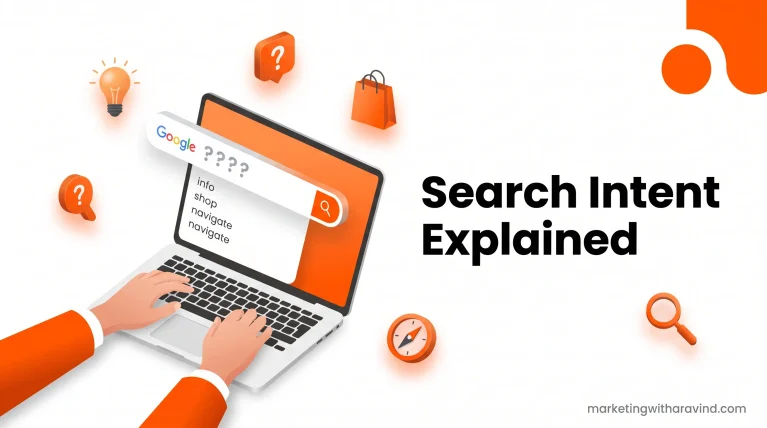
Ranking for a keyword is useless if your page doesn’t match what the searcher wants. Google is extremely good at reading intent now. If you’re new to this, read my guide on search intent explained before you write your next post.
4. Long-tail keywords are your best friend
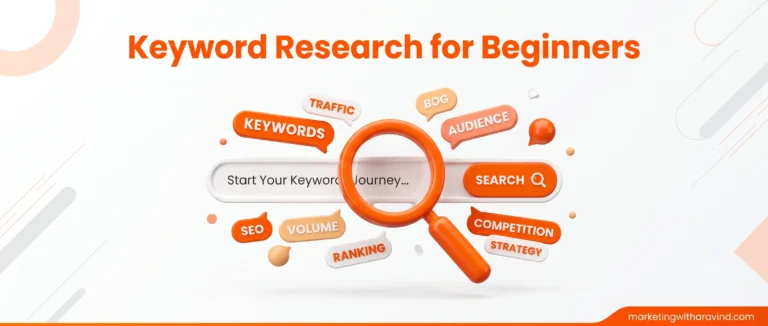
Broad keywords like “digital marketing” are dominated by huge brands and AI answers. Long-tail keywords, like “digital marketing for local plumbers”, have lower volume but far less competition and much higher intent. That is exactly how small blogs win in 2026. My keyword research for beginners guide shows how to find them.
5. E-E-A-T is no longer optional
Google wants content written by people with real Experience, Expertise, Authoritativeness and Trust. Its own guidance on creating helpful, people-first content says this clearly. Add an author bio, share first-hand results and cite your sources.
6. Technical SEO still decides who gets seen
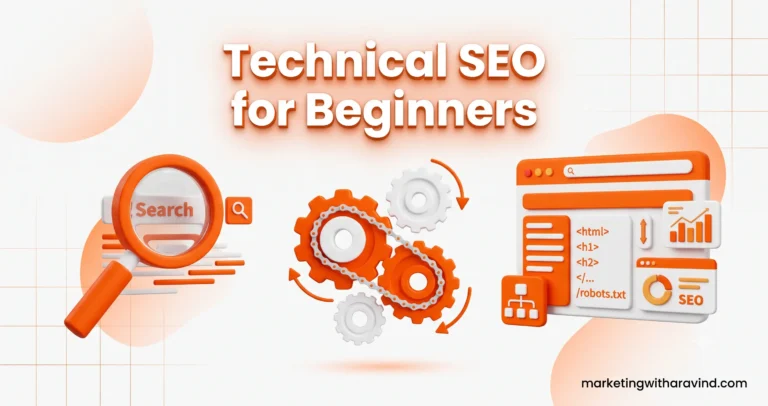
AI or not, search engines must crawl, render and understand your page. Slow pages, broken links and messy site structure still kill rankings. Cover the basics with my technical SEO for beginners checklist and my on-page SEO basics guide.
7. SEO is now “search everywhere” optimization
People search on Google, YouTube, Instagram, TikTok, LinkedIn, Reddit, ChatGPT and Perplexity. Your brand needs to show up wherever your audience asks questions. One strong blog post can become a video, a carousel and a newsletter, each one feeding discovery back to your site.
Why SEO Is Not Dying in 2026 (It’s Evolving)
Is SEO dying in 2026 more than in past years? Every few years someone declares SEO dead. It happened with mobile, with voice search and with social media. Each time, SEO changed and the people who adapted grew faster.
Here’s why the answer to “is SEO dying in 2026?” is still no:
- AI tools need sources. ChatGPT, Gemini and Google’s AI answers all rely on web content. Well-optimized pages are what they cite.
- Organic traffic is still free and compounding. Paid ads stop the moment you stop paying. A good article can bring leads for years. Compare channels in my post on SEO vs PPC vs SMM.
- High-intent searches still click. People comparing tools, hiring services or buying products still visit websites before they decide.
- Brand searches keep growing. When people see your name in AI answers and social feeds, they search for you directly.
Old SEO vs New SEO: A Quick Comparison
The table below shows why people think SEO is dying in 2026, and where the real opportunity is.
| Old SEO (dying) | New SEO in 2026 (growing) |
|---|---|
| Writing for exact-match keywords | Writing for search intent and topics |
| Rewriting the top 10 results | Adding original experience and data |
| Chasing broad, high-volume keywords | Winning long-tail, high-intent keywords |
| Only ranking on Google | Showing up on Google, AI tools, YouTube and social |
| Measuring only clicks | Measuring visibility, citations, leads and brand searches |
| Publish and forget | Update content regularly to keep it fresh |
Your Simple SEO Survival Plan for 2026
If you’ve been wondering whether SEO is dying in 2026 and what to do about it, follow these steps:
- Audit your existing posts. Find pages losing traffic in Google Search Console. Update them with fresh data, better structure and clear answers. My post on what kills blog rankings lists the common culprits.
- Pick long-tail, low-competition keywords. Choose questions where you can share real experience.
- Answer first, then go deep. Give a two or three sentence answer at the top of each section, then add steps, examples and visuals.
- Show your experience. Add screenshots, results, mistakes you made and lessons learned.
- Build topic clusters. Link related posts together so search engines understand your expertise. Learn how in my internal linking strategy for beginners guide.
- Repurpose every post. Turn each article into a LinkedIn carousel, a short video and an email.
- Track the right metrics. Watch impressions, conversions and branded searches, not just clicks.
- Write content that lasts. Focus on evergreen content and refresh it every few months.
Who Should Worry About SEO Dying in 2026?
You should worry if your website depends on thin content, simple definitions, scraped AI text or affiliate pages with no real testing. Those pages are the ones losing traffic to AI answers.
You don’t need to worry if you build helpful content, show real expertise and understand your audience. For you, 2026 is an opportunity, because many competitors are giving up on SEO just when the bar for quality is rising.
Final Verdict: Is SEO Dying in 2026?
No. SEO is not dying in 2026, but lazy SEO is. Search is becoming more AI-driven, more competitive and more focused on genuine value. Marketers who adapt with long-tail keywords, original insights, strong technical foundations and multi-platform visibility will keep winning traffic, leads and sales.
So, is SEO dying in 2026? Only for those who refuse to adapt. Start small: pick one old post, update it with the survival plan above, and track the results for 30 days. That single habit will put you ahead of most websites.
SEO isn’t dying, but it is changing
If you would rather focus on running your business, my SEO services for small business in Coimbatore help you adapt to AI search and keep getting found on Google.
New to SEO? Start with the complete SEO Foundations guide for beginners.
FAQs About Whether SEO Is Dying in 2026
Is SEO dying in 2026 because of AI?
No. AI has changed how results look, but AI tools still depend on high-quality web content. SEO now focuses on being the trusted source that AI and searchers both choose.
If SEO is dying in 2026, is it still worth learning?
Yes. SEO skills are still in demand, especially when combined with content strategy, analytics and AI tools. It remains one of the most valuable digital marketing skills.
Will ChatGPT replace Google search?
Not fully. Many people use both. Google still handles a huge share of searches, and AI assistants often send users to websites for detailed information.
How can a small blog get traffic in 2026?
Target long-tail keywords with low competition, write from real experience, build topic clusters with internal links, and repurpose content on social media.
What is zero-click search?
A zero-click search is a search where the user gets an answer on the results page and doesn’t click any website. In early 2026, about 68% of U.S. Google searches ended this way.