Imagine you are opening a small, cozy coffee shop. You’ve got the perfect espresso machine, the beans smell incredible, and your doors are officially open. Now, you need people to actually walk through those doors.
To spread the word, you decide to hand out flyers. But instead of standing on a busy downtown street corner where your ideal customers walk by every single morning, you drive out to an empty, quiet country road and drop your flyers on the grass.
Sounds crazy, right? Nobody will ever see them!
Yet, this is exactly what thousands of smart, motivated small business owners and freelancers do every single day online. They spend hours filming videos, writing posts, and designing beautiful graphics, but they post them on a social media network where their target market simply doesn’t hang out.
With so many channels available today, choosing the best social media platforms for business growth can feel completely overwhelming. Should you be dancing on TikTok? Writing long articles on LinkedIn? Posting aesthetic pictures on Instagram?
Take a deep breath. You do not need to be everywhere at once. In fact, trying to manage five different networks when you are just starting out is a fast track to burnout.
In this beginner-friendly guide, we are going to break down the top social media platforms for business marketing. We will look at who uses them, what they are best for, and how to pick the single best match for your specific goals so you can start driving real business growth.
Why Choosing the Right Social Media Platform Matters
When it comes to building an online presence, your time and your budget are your most valuable assets. If you are running a business solo or with a tiny team, you cannot afford to waste hours creating content that goes completely unnoticed.
Every platform has its own unique personality, culture, and audience demographics. For instance, a visual-heavy business like an interior designer or an e-commerce clothing boutique will have a completely different social media strategy than a freelance accountant or a B2B software consulting startup.
By identifying the best social media sites for business success in your specific industry, you can focus all your energy on mastering one or two channels. This focused approach leads to better audience engagement, higher organic reach, and ultimately, more customer acquisition.
The Top 5 Social Media Platforms for Business Explained
Let’s take a look at the heavy hitters in the digital marketing world. We will look past the massive follower counts and focus on what these channels actually do for your business branding and lead generation.
1. Instagram: The Visual Storyteller
If your business relies heavily on visuals, aesthetics, or lifestyle imagery, Instagram is easily one of the best social media platforms for marketing your products or services.
- Best For: E-commerce brands, local businesses (cafes, salons), creators, fitness trainers, and visual artists.
- Primary Formats: Reels (short-form video), Carousels, and Stories.
- The Big Strength: Incredible for brand awareness, community building, and influencer marketing.
If you are an Etsy seller making handmade jewelry, Instagram allows you to show behind-the-scenes processes, style your products beautifully, and sell directly via Instagram Shopping features. However, keep in mind that building organic reach here requires consistent high-quality video content like Reels.
2. LinkedIn: The Professional Hub
LinkedIn is no longer just a site for uploading your digital resume. Today, it is the absolute gold standard for personal branding and business promotion in the professional space.
- Best For: B2B businesses, freelancers, coaches, consultants, and software startups.
- Primary Formats: Text-based text posts, image carousels (PDF documents), and long-form articles.
- The Big Strength: High organic reach for individual profiles and unmatched lead generation for professional services.
If you are a freelance graphic designer looking for corporate clients, writing educational posts about design on LinkedIn can get you directly in front of marketing managers and business executives. It is easily the best social media platform for B2B business growth because the audience is already in a business mindset.
3. Facebook (Meta): The Community Builder
With billions of daily active users, Facebook remains a massive cornerstone of digital marketing, especially if you plan to use paid advertising down the line.
- Best For: Local businesses, community-based brands, and companies targeting an older demographic (ages 30–65+).
- Primary Formats: Video posts, images, and community link sharing.
- The Big Strength: Powerful Facebook Groups for community building and the most advanced target audience advertising network on Earth.
While organic reach for a standard Facebook Business Page is famously low today, Facebook Groups are a goldmine. For example, a personal trainer with 200 Instagram followers can create a private, highly supportive Facebook Group for local clients to share healthy recipes, building incredible customer engagement and long-term brand loyalty.
4. YouTube: The Long-Term Educator
YouTube is the world’s second-largest search engine. Unlike other social media networks, where a post disappears or dies down after 24 to 48 hours, a YouTube video can drive traffic to your website for years.
- Best For: Educational businesses, coaches, tutorial-based services, and high-ticket products.
- Primary Formats: Long-form educational videos and YouTube Shorts.
- The Big Strength: Incredible long-term search engine presence and deep audience trust.
If you run a local home renovation business, creating a video titled “How to Budget for a Kitchen Remodel” can attract local homeowners who are searching Google and YouTube for answers. It builds instant authority before a prospect ever speaks to you.
5. Pinterest: The Visual Search Engine
Much like YouTube, Pinterest functions more like a visual search engine than a traditional social media platform. Users log onto Pinterest specifically to look for inspiration, planning, and buying ideas.
- Best For: E-commerce stores, lifestyle bloggers, travel agencies, wedding planners, and food brands.
- Primary Formats: Standard image Pins, Video Pins, and Product Pins.
- The Big Strength: Drives incredible amounts of high-intent referral traffic directly to your website.
An e-commerce brand selling eco-friendly kitchenware can post beautiful photos of organized pantries. When a user saves that Pin to their “Dream Kitchen” board, they can click directly through to purchase the item on your website, making it a powerful channel for direct customer acquisition.
Side-by-Side: Business Social Media Platforms Comparison
To help you visualize where your business fits best, here is a quick comparison table breaking down target audience demographics and core strengths:
| Platform | Best Business Type | Primary Goal | Content Style |
| B2C, E-commerce, Local Retail | Brand Awareness & Engagement | Highly Visual, Reels, Aesthetics | |
| B2B, Service Providers, Freelancers | Lead Generation & Authority | Professional, Educational Text/PDFs | |
| Local Services, Communities | Community Building & Paid Ads | Group discussions, Video, Local Ads | |
| YouTube | Educators, Consultants, Tech | Deep Trust & Search Traffic | Video Marketing, Tutorials, Long-Form |
| E-commerce, Bloggers, Creators | Website Traffic & Direct Sales | Visual Inspiration, Product Pins |
Step-by-Step: How Do I Choose the Right Social Media Platform?
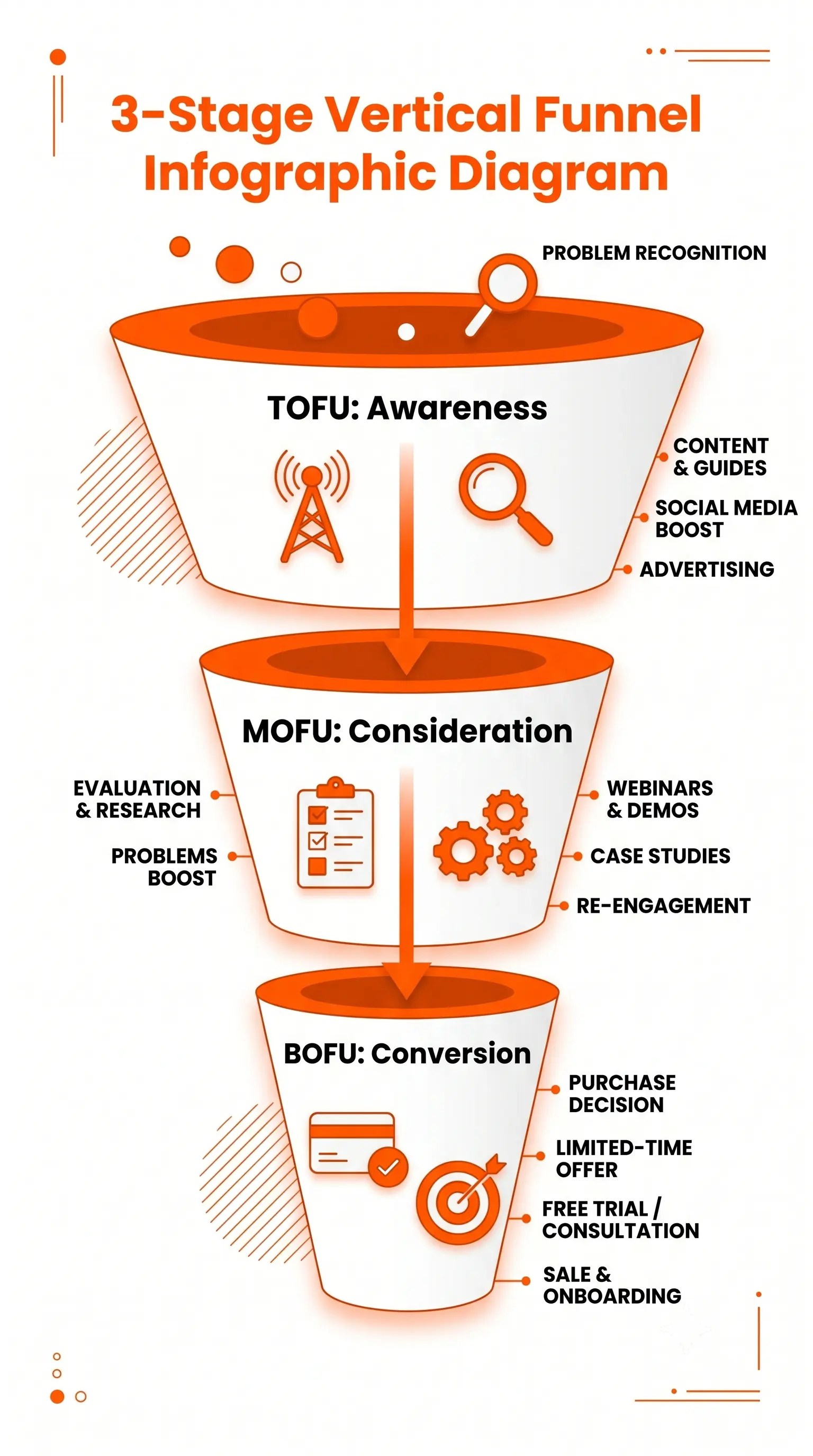
Now that you know what each platform does, let’s look at a practical, three-step framework to pick your perfect match.
Step 1: Define Your Target Audience
You cannot choose a platform until you know exactly who your customer is. Write down their basic profile:
- Are they business owners (B2B) or everyday consumers (B2C)?
- What is their average age?
- What problems are they trying to solve?
If your target audience consists of busy startup founders looking for payroll software, you should skip Pinterest and focus 100% on LinkedIn. If your audience is local moms looking for children’s birthday party spaces, Facebook and Instagram are your best bets.
Step 2: Match Your Natural Content Strengths
Be honest with yourself about what kind of content you enjoy making. If you absolutely hate being on camera, forcing yourself to do daily TikTok videos or Instagram Reels will make you miserable, and it will show in your content marketing quality.
- If you love writing, Focus on text-first channels like LinkedIn or Medium.
- If you love photography/design, Focus on Instagram or Pinterest.
- If you love talking and teaching, Focus on YouTube or short-form video marketing.
Step 3: Start with a Single $0 Budget Test Channel
Pick one main platform that perfectly intersects your audience’s home and your natural content strengths. Commit to posting high-value content there 3 times a week for 90 days.
Don’t worry about expensive paid advertising yet. Focus entirely on organic reach and active audience engagement. Reply to every single comment, join relevant conversations, and build your online presence brick by brick.
📋 The Essential Platform Selection Checklist
Before you hit publish on your new business social media profiles, run through this quick checklist to ensure you are set up for success:
- [ ] I have defined whether my business model is primarily B2B or B2C.
- [ ] I have chosen one primary social media channel to master first.
- [ ] My profile picture is a clean, professional logo or a high-quality headshot.
- [ ] My bio clearly explains who I help and how I help them.
- [ ] My website link is correctly added to my profile bio.
- [ ] I have a list of 10 educational content topics ready to create.
- [ ] I have committed to a realistic weekly posting schedule (e.g., Every Monday, Wednesday, and Friday).
🙋 Frequently Asked Questions (FAQ)
1. Should businesses use multiple social media platforms right away?
No. When you are just starting out, it is much better to be amazing on one social media network than to be completely invisible or mediocre on four. Master one channel, build a steady workflow, and then expand.
2. Is Instagram good for business if I don’t sell physical products?
Absolutely! Freelance service providers, coaches, and digital marketers use Instagram daily to share educational carousels, show their personality behind the scenes, and land high-paying clients via direct messages.
3. Which social media platform generates the most leads for B2B?
LinkedIn is widely considered the absolute best social media platform for lead generation when selling to other businesses. It connects you directly with decision-makers without gatekeepers.
4. Do I need a massive budget for social media paid advertising?
Not at all. You can start completely free using organic reach strategies. If you choose to explore paid ads later on, channels like Facebook and Instagram allow you to run small local campaigns for as little as $5/day (~£4/day) to test your offers.
5. How long does it take to see real business growth from social media?
Social media marketing is a long-term strategy. While some posts can get quick engagement, it typically takes 3 to 6 months of consistent, high-value posting to see a steady stream of traffic, leads, or sales.
6. What is the best social media platform for small businesses operating locally?
For local businesses like a hair salon, café, or plumber, a combination of an optimized Google Business Profile along with a Facebook Page (for local community groups) and Instagram (for visual proof of work) works best.