
Imagine you are running a small online store selling handmade leather boots. You have a beautiful website, your products are incredibly well-made, and you are ready to ship worldwide. There is only one major problem: your website is completely empty of visitors. The digital streets outside your store are completely quiet.
To fix this, you try running paid online ads. Every single time a user clicks your link, you pay $2.00 (~£1.60). A few people buy, but the moment you stop paying for those ads, your website traffic completely drops back down to zero. You are stuck on an expensive marketing treadmill that you cannot step off of without losing your business.
Now, imagine an entirely different scenario. Instead of renting temporary space through paid ads, you decide to write a helpful, simple online guide titled “How to Care for Real Handmade Leather Boots so They Last a Lifetime.” You also record a short, 60-second video demonstrating how to condition leather and share it online.
A month later, an accountant living in a busy city goes to Google and types: “how to clean leather boots.” Your helpful guide pops right up at the top of the search results page. They click your link, read your friendly advice, realize you deeply understand leather, and immediately feel a sense of trust. Before they leave your site, they browse your store and buy a pair of your premium boots.
Even better? Two years from now, that exact same guide will still be sitting on your website, bringing in new visitors every single week for free. This is the true power and importance of content marketing. It is the art of growing a loyal audience, earning profound trust, and building a highly profitable business by simply being helpful.
What Exactly is Content Marketing? (And Why Does It Matter?)
Before we dive into why this approach is absolutely essential for your online business, let’s break down exactly what it means in plain, simple English.
Content marketing is a long-term strategic approach focused on creating and sharing highly valuable, relevant, and consistent written or visual material. The goal is not to aggressively pitch your products or services to strangers. Instead, the goal is to provide free, genuine value that attracts and retains a clearly defined target audience—and ultimately guides them to become paying customers.
Traditional Advertising –> “Look at my product! Buy it right now!”
Content Marketing –> “Here is a free solution to your problem. I’m here to help.”
When you understand the fundamental importance of content marketing, you stop viewing content as just an optional daily chore or a casual hobby. Instead, you see it as building a permanent, digital asset for your business. Every single blog post, educational video, or helpful infographic you publish is like a digital sales assistant that works for you 24 hours a day, 365 days a year, without ever taking a day off.
Why Is Content Marketing Important? The Story of Two Bakeries
To make this completely clear, let’s look at a quick real-world scenario featuring two local bakeries operating in the exact same neighborhood.
Bakery A relies entirely on traditional, old-school marketing methods. They print out colorful paper flyers, run occasional paid local ads, and constantly put up big signs in their front window screaming “50% Off Cupcakes Today Only!” or “Buy Our Wedding Cakes!” When they spend money on advertising, a few customers walk through the door. But the minute they stop running promotions, their shop goes quiet. Their audience doesn’t feel a deep connection; they only care about the latest discount.
Bakery B takes a completely different approach by focusing on a modern inbound marketing strategy. The owner, Sarah, started a simple, free WordPress website. Once a week, she publishes a highly helpful article or a short video answering common customer questions. She writes guides like “How to Keep a Birthday Cake Fresh Overnight” and “The Beginner’s Guide to Baking Gluten-Free Bread at Home.”
When local parents search online for tips on planning a stress-free children’s birthday party, they instantly find Sarah’s free, downloadable checklist. She doesn’t scream at them to buy her cakes. Instead, she provides an actionable solution to their problem.
Which bakery builds a stronger brand? Which one creates an army of loyal fans? Bakery B, without question. By focusing heavily on content creation, Sarah has positioned herself as the absolute authority in her neighborhood. Her customers don’t just visit for a cheap discount—they buy from her because they know, like, and deeply trust her brand.
6 Massive Benefits of Content Marketing for Small Businesses
If you are a freelancer, a side hustler, or a small business owner with a limited budget, you cannot afford to waste your hard-earned money on advertising that stops working the second your wallet is empty. Here is exactly why content marketing is important for your long-term business growth.
1. It Builds Long-Term Audience Trust
In the modern business landscape, trust is the absolute ultimate currency. People completely ignore aggressive sales pitches, pop-up ads, and cold promotional messages. They want to buy from brands that treat them like human beings.
When you consistently answer your target audience’s most burning questions without asking for anything in return, you build incredible goodwill. You stop being a faceless corporate logo and become a trusted advisor. When that reader is finally ready to hand over their money for a premium solution, they won’t even look at your competitors. They will choose you.
2. It Drives Consistent, Free Organic Traffic via SEO
Paid ads provide immediate traffic, but the moment you stop paying Google or Meta, that traffic drops to zero. Content marketing works in the exact opposite way—it creates compounding, long-term returns.
By writing high-quality, optimization-focused blog posts, you satisfy search engine algorithms. This makes your site highly visible for relevant search queries. Over time, your content ranks higher on search engine results pages, driving a steady stream of highly targeted website traffic straight to your business without costing you a single penny in ad spend.
To maximize this benefit, it is critical to implement solid SEO foundations for beginners from day one. Good search engine optimization ensures that the valuable content you work so hard to create is actually discovered by people searching on Google.
3. It Establishes Unshakable Brand Awareness
How do you get people to know your business exists when you are starting completely from scratch? You don’t do it by shouting into the void. You do it by showing up exactly where your ideal audience is already looking for help.
When an aspiring freelance graphic designer searches for “how to price design services,” and your blog post provides a comprehensive, beautifully designed pricing formula, they instantly learn your name. Even if they don’t buy a digital template from you right away, your brand is now firmly planted in their mind. The next time they need expert business advice, they will return directly to your site.
4. It Generates High-Quality Leads Cost-Effectively
According to leading industry data from the Content Marketing Institute, content marketing generates over three times as many actionable leads as traditional outbound marketing, while costing roughly 62% less.
Instead of hunting for leads individually, you allow your content to act as a magnet. You can easily offer a high-value free resource—such as a downloadable PDF worksheet, a custom spreadsheet, or a mini-email course—in exchange for a reader’s email address. This allows you to build a highly targeted email list filled with people who have actively raised their hands and expressed genuine interest in your niche.
5. It Nurtures Customer Engagement and Loyalty
Your relationship with your audience shouldn’t end the absolute moment they make a purchase. True business sustainability relies heavily on repeat customers, high customer loyalty, and long-term audience retention.
By continuing to provide highly engaging, value-packed content after a sale, you keep your existing customers excited and involved. A personal trainer with 200 Instagram followers might share weekly healthy meal prep ideas or simple desk stretches for office workers. This regular interaction transforms casual, one-time buyers into passionate brand evangelists who proudly recommend your services to friends and family.
6. It Fuels Your Social Media Marketing Strategy
The number one reason small business owners struggle with social media is very simple: they completely run out of creative ideas. They don’t know what to post on LinkedIn on Tuesday morning, or what kind of video to create for Instagram on Thursday night.
When you build a comprehensive content marketing for beginners plan, your social media problems instantly vanish. A single, comprehensive, long-form pillar blog post on your website can be easily broken down into five educational LinkedIn text posts, three highly engaging Instagram carousel slides, and an informative email newsletter. Your core content becomes the powerful engine that naturally fuels all of your digital distribution channels.
How Content Marketing Works Across the Customer Journey
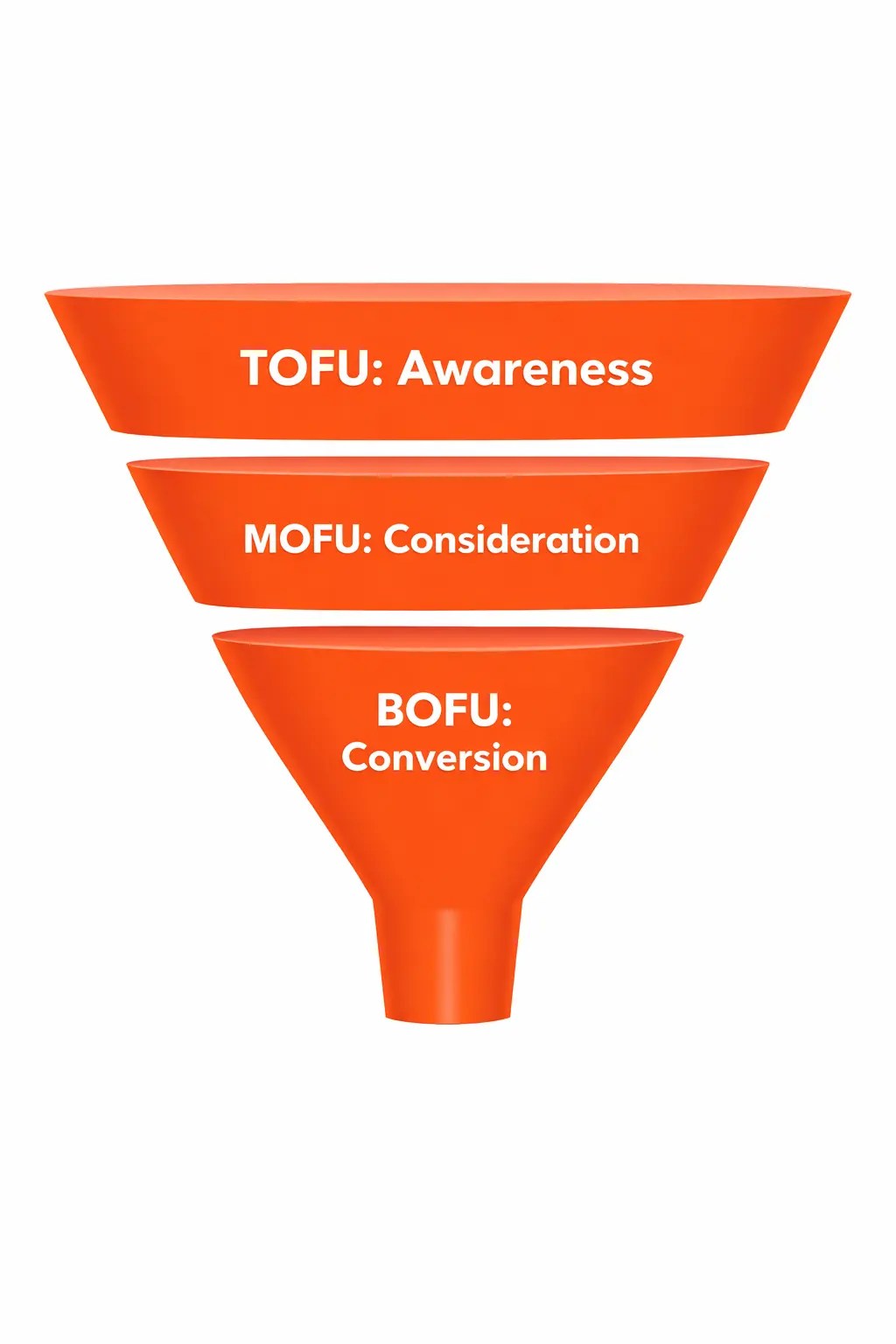
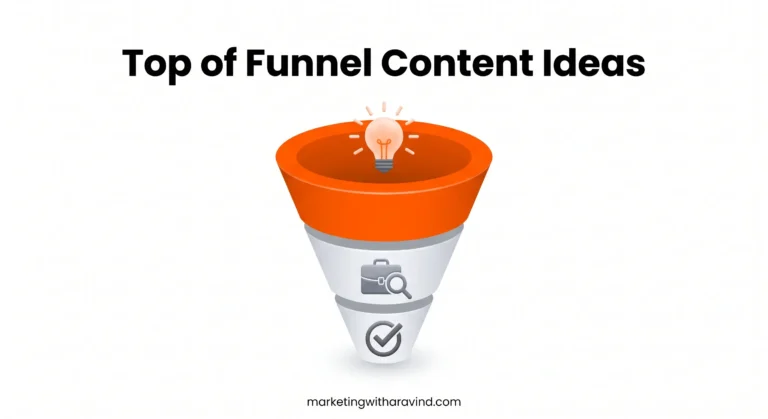
To understand the full value of content marketing, you must see how it guides a complete stranger through the classic marketing funnel. A random user doesn’t just discover your website and instantly buy your most expensive digital product. They progress through a distinct, multi-step user experience.
| Funnel Stage | Customer Mindset | Ideal Content Type | Real-World Example |
| Top of Funnel (TOFU) Awareness | “I have a frustrating problem, and I’m looking for a clear explanation.” | Educational blog posts, brief social media tips, short-form video. | A blog post: “Why is my website loading so slowly?” |
| Middle of Funnel (MOFU) Consideration | “I know exactly what my problem is. Now I’m comparing different solutions.” | Comprehensive comparison guides, step-by-step checklists, case studies. | A comparison table: “WordPress vs Squarespace for Small Businesses.” |
| Bottom of Funnel (BOFU) Conversion | “I am ready to buy. I just need to make sure this specific product is right for me.” | Product deep-dives, video demonstrations, student testimonials, detailed FAQs. | A video walkthrough: “Inside My Complete Digital Marketing Launch Course.” |
By intentionally creating unique pieces of content for every single stage of this inbound journey, you successfully catch users the moment they realize they have a problem, gently guide them through their research phase, and effortlessly close the sale when they are ready to buy.
Real-World Content Marketing Examples You See Every Day
Content marketing isn’t some complex, abstract academic concept used only by giant global corporations like HubSpot or the Content Marketing Institute. It is used daily by successful everyday freelancers, creators, and online business owners. Let’s look at three highly effective formats.
The Informative Business Blog
Imagine a freelance accountant who specializes entirely in helping remote freelancers manage their quarterly taxes. Instead of cold-calling businesses or sending spammy LinkedIn messages, they maintain a highly active, simple blog on their website.
They write ultra-specific, clear guides like “5 Simple Tax Deductions Every Freelance Writer Needs to Know.” This content targets high-intent keywords naturally. When independent writers search for tax help, they find the blog, see the accountant’s undeniable expertise, and book a paid tax consultation strategy session.
Value-Driven YouTube Videos & Shorts
Consider a boutique fitness coach who sells customized, remote online workout programs. They don’t spend thousands of dollars on expensive local TV commercials or Facebook ads. Instead, they launch a free YouTube channel.
They upload clean, helpful videos like “The Ultimate 15-Minute At-Home Workout for Busy Moms (No Equipment Needed).” In the video description, they naturally place a link to download a free 7-day healthy meal plan blueprint. This simple, value-first approach builds massive trust with viewers across the globe, driving consistent, warm leads straight into their premium coaching programs.
Educational Social Media Carousels
Think of a boutique social media manager who wants to land high-paying consulting clients. They regularly create helpful, bold, multi-slide carousels on platforms like Instagram and LinkedIn.
They share real-world data showing exactly how they helped a small online boutique grow its engagement by 40% using a smart social media marketing for beginners framework. Business owners scrolling through their feeds see this actionable case study, recognize the creator’s deep industry knowledge, and immediately send a direct message asking to hire them.
How to Build Your First Content Marketing Strategy (Step-by-Step)
Now that you fully understand the incredible importance of content marketing, you are likely wondering: “How do I actually get started on a limited budget without getting completely overwhelmed?” Follow this simple, actionable, step-by-step framework to launch your strategy today.
Step 1: Define Your Target Audience
If you try to write content for absolutely everyone, you will end up connecting with no one. You must define exactly who your ideal reader is.
Are you writing for an absolute beginner Etsy seller trying to ship their very first handmade ceramic mug? Are you creating content for a local personal trainer trying to book their first ten in-person clients? Write down their specific problems, their daily frustrations, and the exact search terms they use when looking for answers online.
Step 2: Conduct Basic Keyword Research
You should never guess what topics to write about. Instead, use data to discover exactly what your audience is actively searching for online.
You can use excellent free tools like Google Keyword Planner or simply look at the auto-suggest suggestions on Google search results pages. Look for long-tail question keywords (like “how to start an email list from scratch”) that have clear informational intent. These topics represent the absolute best opportunities for a beginner blogger to rank quickly.
Step 3: Choose Your Primary Platform
Do not make the classic mistake of trying to launch a blog, a YouTube channel, a podcast, a TikTok account, and a LinkedIn page all in your very first week. You will quickly burn out and give up.
Pick one primary home base for your long-form content—such as a self-hosted blog or a free WordPress site—and pair it with one social media distribution channel where your target audience loves to spend time (like LinkedIn or Instagram). Master this simple ecosystem first before trying to expand anywhere else.
Step 4: Create a Consistent Content Calendar
In the world of online content creation, consistency is far more critical than perfection. Publishing one helpful, well-optimized blog post every single week is infinitely better than publishing five rushed posts in a single weekend and then going completely silent for two months.
Set a highly realistic, sustainable schedule that perfectly fits your lifestyle. Commit to publishing one high-value piece of content per week, and use a free spreadsheet to plan your specific topics at least one month in advance.
Content Marketing vs. Traditional Paid Advertising
To put the incredible financial value of content marketing into perspective, let’s look at a head-to-head comparison table analyzing how it stacks up against traditional paid online advertising.
| Feature | Content Marketing (Inbound) | Paid Advertising (Outbound) |
| Upfront Financial Cost | Free or extremely low cost (mostly your personal time and effort). | High. You must pay for every click or impression. |
| Long-Term Longevity | Permanent asset. Content brings traffic for years. | Temporary. Traffic stops immediately when budget hits $0. |
| Audience Relationship | Builds deep, long-term consumer trust and brand authority. | Often viewed as annoying, intrusive, or untrustworthy. |
| Primary Effort Required | Creative writing, research, optimization, and consistency. | Continuous budget management, ad testing, and bidding. |
| Speed of Results | Slow. Takes months to build momentum and organic rankings. | Instant. Ads can drive traffic within minutes of launching. |
While running targeted PPC for beginners campaigns is a phenomenal way to drive fast, immediate sales for a specific product launch, content marketing serves as the essential foundational bedrock of your digital business. It ensures you aren’t completely dependent on renting traffic from ad platforms forever.
Checklist: Is Your Content Strategy Ready for Success?
Before you hit the publish button on your next piece of content, use this practical checklist to ensure it is fully optimized to drive real business growth.
- [ ] Clear Target Audience: Does this content speak directly to one specific person’s needs?
- [ ] Value-First Approach: Does it genuinely solve a real problem without reading like an aggressive sales pitch?
- [ ] Optimized Readability: Is the text broken up into short, digestible 2-4 line paragraphs with clear headings?
- [ ] Natural Keyword Integration: Does it naturally feature your primary focus keyword within the title and introduction?
- [ ] Actionable Next Step: Is there a clear call to action guiding the reader on what to do next?
- [ ] Strategic Internal Links: Does it smoothly link back to your foundational guides, like your digital marketing basics roadmap?
FAQs About the Importance of Content Marketing
Why is content marketing important for small businesses?
It allows small businesses to compete directly with massive corporations. Even if you don’t have a million-dollar advertising budget, you can easily rank at the top of Google by creating highly specific, genuinely helpful, long-tail content that perfectly solves your local audience’s unique problems.
How does content marketing help with search engine optimization (SEO)?
Search engines have one fundamental goal: to provide users with the absolute best, most relevant answer to their query. By consistently publishing comprehensive, high-quality content, you give search engines the exact information they need to confidently rank your website higher.
How long does it take to see real results from content marketing?
Content marketing is a long-term investment, not an overnight shortcut. While you can get immediate engagement on social media platforms, it typically takes roughly 3 to 6 months of highly consistent publishing to see significant, compounding organic traffic growth from search engines.
Can small businesses with zero budget benefit from content marketing?
Yes, absolutely! You can start a completely free blog on platforms like WordPress, perform keyword research using free tools, and distribute your content across free social media networks like LinkedIn or Instagram. The only real investment required is your personal time, knowledge, and consistency.
Does content marketing actually increase sales?
Yes. It increases sales by naturally moving potential buyers through the customer journey. By educating your audience on how to solve their problems, you overcome their objections and build deep trust. This makes them significantly more comfortable buying your premium products or services.
Why do modern brands invest so heavily in content marketing?
Brands invest in content because traditional advertising is becoming increasingly expensive and far less effective. Modern internet users utilize ad-blockers and completely tune out promotional banners. Creating high-value content is the only reliable way to capture and hold consumer attention today.
The Long-Term Value of Content Marketing
As you continue on your entrepreneurial journey, always remember that building a successful digital footprint is a marathon, not a sprint. It can feel discouraging when you publish your first few blog posts and only see a handful of visitors trickling in.
But look at the big picture. Every high-quality article you write is a permanent brick laid into the foundation of your digital empire. Over time, those individual bricks connect to form an unstoppable lead-generation machine that builds authority, wins deep audience trust, and drives completely free traffic to your business for years to come.
Stop focusing on renting short-term attention through expensive paid ads. Start investing heavily in your own digital property by creating highly valuable, beautifully optimized content today. Your business, your wallet, and your future customers will thank you.