Imagine Sarah, a passionate baker who runs a charming local pastry shop in a quiet neighborhood. For years, Sarah relied entirely on foot traffic. Neighbors would walk past, catch the rich aroma of fresh cinnamon rolls, and step inside to buy a treat. Word-of-mouth was her only engine. If it rained or if a new competitor opened a block away, Sarah’s daily revenue dropped instantly. She felt completely invisible to the thousands of people living just three miles away.
One evening, Sarah decided to take a leap into the world of internet marketing. She didn’t have a massive budget, just a smart, motivated mindset. She built a simple website showcasing her menu, created an Instagram account to share short behind-the-scenes videos of her baking process, and listed her shop on local search engines.
Within two months, everything changed. A local office manager searching online for “best birthday cupcakes near me” discovered Sarah’s website. That single search led to a massive $300 recurring corporate order. Regular sweet-tooth enthusiasts started driving across town because they saw an Instagram Reel showcasing her signature triple-chocolate croissants. Sarah was no longer waiting for customers to pass by her physical door. She was actively reaching them exactly where they spend hours every single day: on their screens.
That is the absolute power of a solid digital marketing strategy explained in the real world. It bridges the gap between a fantastic business and the exact target audience searching for it.
What is Digital Marketing and How Does It Work?
The Simple Digital Marketing Definition
At its absolute core, what is digital marketing? Let’s strip away the confusing technical jargon. Digital marketing, often called online marketing or internet marketing, is simply the act of promoting products, services, or personal brands using digital channels and internet-connected devices.
If a marketing campaign involves a smartphone, a laptop, a search engine, an email inbox, or a social media platform, it is digital marketing. Instead of using physical billboards, printed newspapers, or direct paper mail, you are using the vast digital landscape to capture attention and drive customer engagement.
Internet Marketing vs. Traditional Marketing: What’s the Real Difference?
To understand how digital marketing works, it helps to compare it directly to traditional marketing channels like television, radio, print magazines, and physical flyers.
| Feature | Traditional Marketing | Digital Marketing |
| Audience Reach | Local or semi-regional; highly rigid. | Broad global reach or highly localized targeting. |
| Entry Cost | High upfront costs ($500+ for small ads). | Low entry barrier ($5–$10 to run a basic social ad). |
| Tracking & ROI | Estimated numbers; difficult to prove origin. | Precision metrics (exact clicks, views, and purchases). |
| Interaction | One-way communication (passive viewing). | Two-way interaction (comments, messages, reviews). |
| Speed of Changes | Permanent once printed or broadcast. | Instant updates and real-time campaign optimization. |
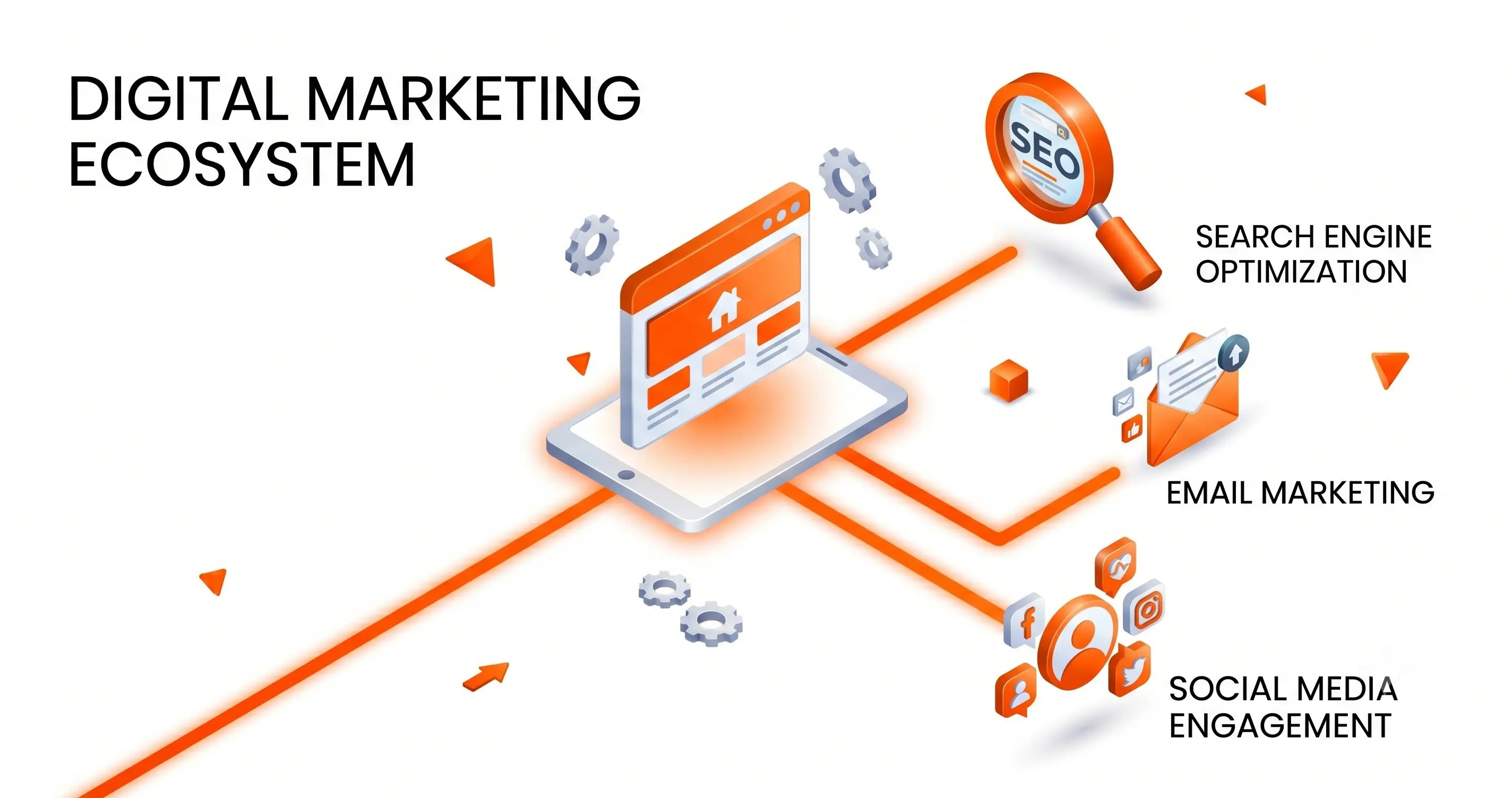
Traditional marketing is entirely one-way. You pay for a billboard, hang it up, and hope that the right people drive past it. You cannot click a billboard to buy a product, nor can you easily track exactly how many people bought a pastry because of that sign. Online marketing turns this model completely on its head by turning promotion into an interactive, highly measurable dialogue.
Why Is Digital Marketing Important for Modern Small Businesses?
1. Unmatched Audience Targeting Capabilities
With traditional methods, your message is scattered broadly across a generic population. When you dive into the digital marketing basics, you unlock the ability to get your message in front of a highly specific target audience.
If you are a freelance fitness trainer, you can target your content exclusively to people aged 25–40, living within a 5-mile radius, who actively search for home workout tips. You do not waste a single cent showing your business to people who have no interest in your offer.
2. Real-Time Tracking and Comprehensive Analytics
When you use tools like Google Search Console, you stop guessing whether your marketing efforts are working. You see exactly how much website traffic you receive, which specific blog posts individuals read, and how long they stay on your pages. This immediate access to analytics allows you to double down on what works and instantly stop wasting time on what does not.
3. Cost-Effective Customer Acquisition
For a startup or side hustler, budget is everything. Launching a print or television ad campaign requires thousands of dollars. Conversely, running a focused paid advertising campaign can start with a modest budget of just $5 to $10 a day. This completely levels the playing field, allowing an independent creator or local boutique to compete directly with massive, established corporate brands.
The 6 Core Types of Digital Marketing Channels Explained
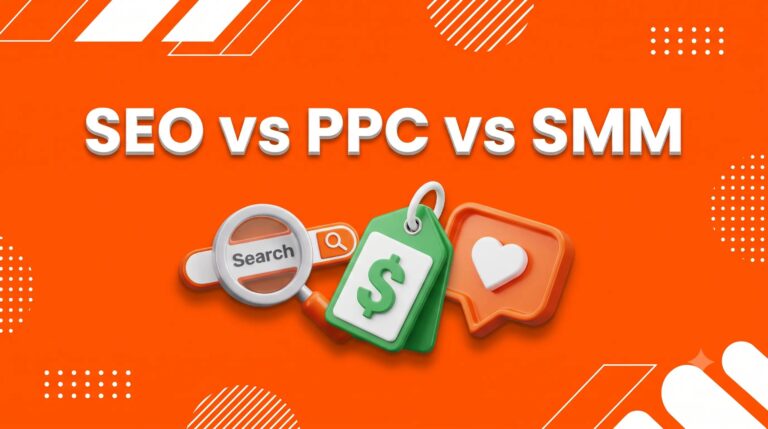
To build a balanced online presence, you need to understand the different digital channels available to you. Let’s look at the foundational pillars that make up the modern digital landscape.
Search Engine Optimization (SEO)
SEO is the art and science of optimizing your website so that it ranks high on search engines like Google when people look for specific terms related to your business. When you secure high organic traffic, you are bringing free, highly intentional visitors to your site. To master this, you must begin with basic keyword research to find out exactly what words your future clients type into search boxes.
If you want to master this specific pillar, check out our comprehensive guide on SEO foundations for beginners to learn exactly how to get discovered by Google without spending a dime on ads.
Content Marketing
Content marketing strategy centers on creating and distributing highly valuable, consistent, and educational materials. Instead of pitching your product directly, you create articles, videos, or guides that solve real problems for your audience. This builds immense brand awareness and trust.
For example, a freelance graphic designer might write a blog post detailing common branding mistakes made by startups. When founders read it and realize the designer truly knows their stuff, they naturally hire them. Ready to build your content plan? Dive into our step-by-step content marketing for beginners guide to turn your ideas into a systematic lead generation machine.
Social Media Marketing (SMM)
Social media marketing involves using platforms like Instagram, LinkedIn, Meta, and YouTube to connect directly with your audience, build your community, and drive traffic back to your website. It is about fostering open customer engagement rather than just broadcasting promotional deals.
Whether you want to showcase short visual tips or share professional insights, strategic social posting is crucial. Learn how to pick the right platform and scale your organic reach by exploring our dedicated social media marketing for beginners guide.
Pay-Per-Click Advertising (PPC)
PPC advertising is a model where you pay a small fee every single time a user clicks on one of your online advertisements. Instead of waiting patiently for organic traffic via SEO, you can essentially buy targeted visibility instantly. The most popular network for this is Google Ads, which displays your site right at the top of search results for specific buyer queries.
If you have a small marketing budget and want to see fast, measurable returns, review our complete walk-through on PPC for beginners to set up your very first profitable paid campaign safely.
Email Marketing
Despite being one of the oldest forms of internet marketing, email marketing remains the highest-converting digital channel. It involves building a list of individuals who have explicitly given you permission to send updates directly to their inboxes. By sharing helpful tips, company updates, and special discounts, you convert casual readers into loyal, lifelong brand advocates.
Affiliate Marketing
Affiliate marketing is a performance-based digital marketing concept where you earn a commission for promoting someone else’s product or service. If a reader clicks a custom tracking link on your blog and makes a purchase, you receive a percentage of that sale at zero extra cost to them. It is an exceptional way for beginner bloggers to monetize their content naturally.
The Digital Marketing Strategy Explained: How the Channels Connect
Many beginners make the mistake of viewing these channels as completely separate silos. In reality, an effective digital marketing strategy works like a well-oiled machine where every component supports the others.
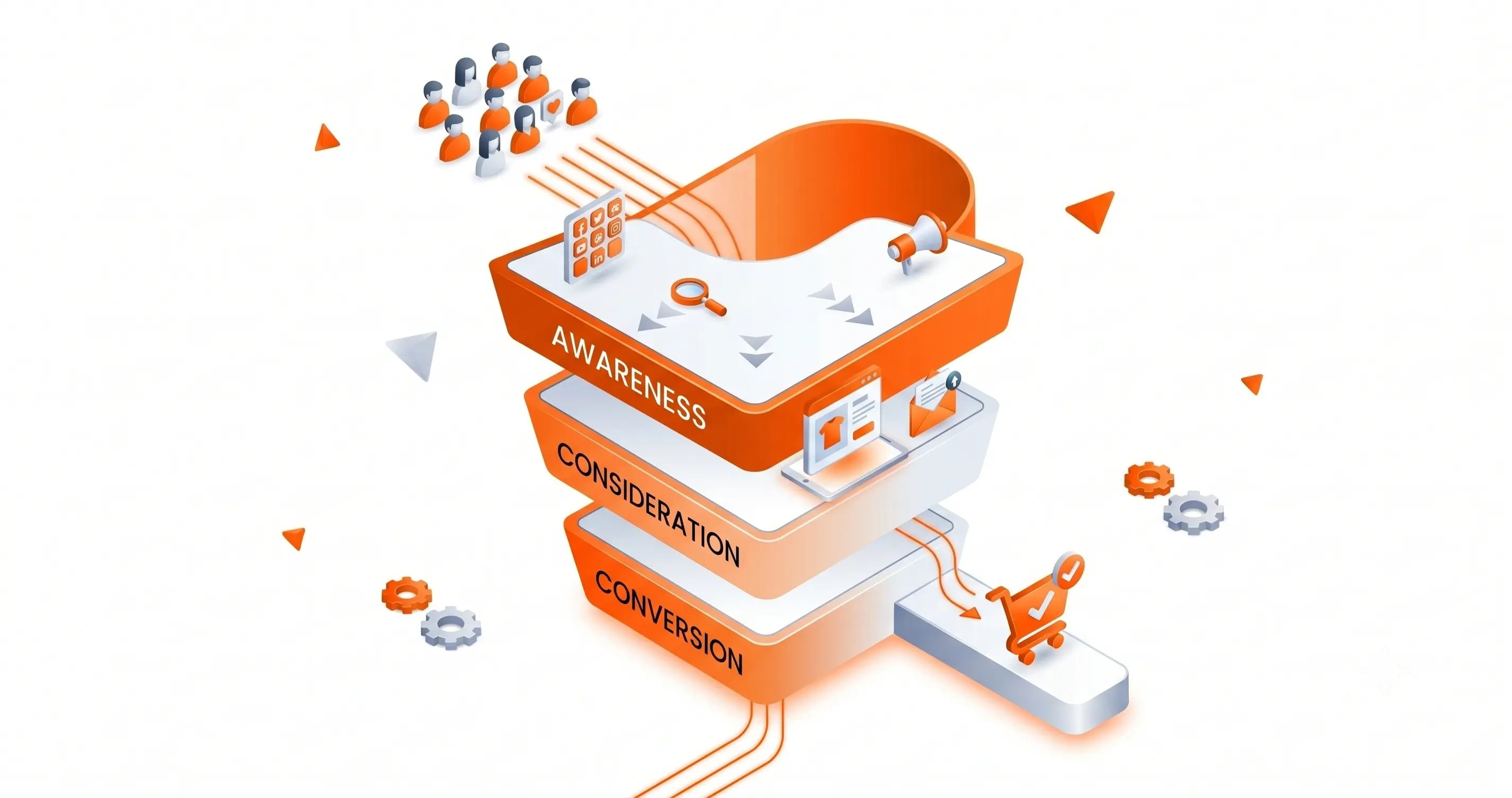
The Modern Customer Journey and Marketing Funnel
Every customer goes through a multi-step journey before making a purchasing decision:
- Brand Awareness (Top of Funnel): A user encounters your brand via a helpful social media post or an educational YouTube video.
- Consideration (Middle of Funnel): The user wants to solve a problem and visits your blog through search engines to read an in-depth guide. They find your advice so valuable that they opt into your email newsletter.
- Conversion (Bottom of Funnel): You send a tailored email offer or display a targeted retargeting ad to that subscriber, leading them to purchase your digital product or service.
A Real-World Online Business Growth Scenario
Let’s look at how a freelance web designer uses these channels collectively:
- They write an optimized blog post about improving website layout (Content Marketing & SEO Basics).
- They share snippets of that article across professional digital channels like LinkedIn (Social Media Marketing).
- A small business owner clicks that LinkedIn post, reads the full blog, and subscribes to get a free website audit checklist (Lead Generation).
- The designer runs a small, low-cost remarketing ad to keep their brand top-of-mind (Paid Traffic & PPC).
- Within a week, the business owner hires the designer for a complete site overhaul (Conversion).
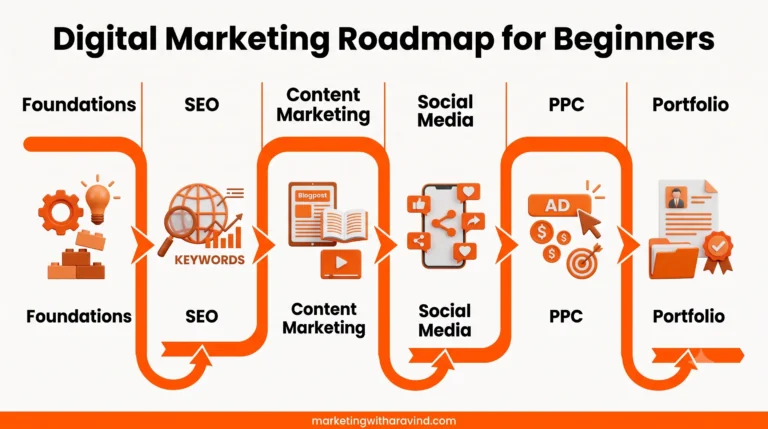
How to Start Digital Marketing for Beginners: A Step-by-Step Roadmap
If you are feeling completely overwhelmed by all the options, stop and take a deep breath. You do not need to master every single platform overnight. Follow this simple, highly structured roadmap to launch your online business growth safely.
Step 1: Establish Your Central Online Presence
Your home base online should always be a professional website or blog. Platforms like WordPress make it incredibly easy to launch a clean, readable layout without touching a single line of code. Your website is the only digital asset you fully own and control—unlike social media profiles, which are subject to sudden algorithm changes.
Step 2: Implement Keyword Research and SEO Basics
Once your site is live, find out what your audience is searching for. Look for low-competition, highly relevant questions that you can answer thoroughly. Write deep, highly readable blog posts that provide step-by-step solutions to those exact problems.
Step 3: Launch Consistently on One Core Social Network
Do not try to be on Instagram, TikTok, LinkedIn, Pinterest, and YouTube all at once. You will burn out within a month. Pick the one platform where your ideal audience spends the most time. If you target corporate professionals, master LinkedIn. If your business is highly visual, focus on Instagram. Post high-quality content consistently, interact with your followers daily, and direct them back to your main website.
Essential Free Tools to Kickstart Your Digital Marketing Basics Journey
You do not need an expensive suite of software to start driving website traffic. Leverage these powerful, completely free tools to manage your strategy smoothly:
- Google Search Console: Essential for monitoring your organic search performance and ensuring Google indexes your pages correctly.
- Google Keyword Planner: An excellent, free tool inside Google Ads to discover search volumes for your core keywords.
- Meta Business Suite: A centralized dashboard to schedule your Instagram and Facebook posts in advance for free.
- Canva: A drag-and-drop graphic design platform to create beautiful blog banners and social media visuals with zero design background.
A Complete Beginner’s Digital Marketing Checklist
Before you publish a new piece of content or launch an online campaign, run through this quick checklist to maximize your results:
- [ ] Identify Target Audience: Is this content tailored to a specific reader’s pain point?
- [ ] Primary Keyword Check: Is your main target phrase placed naturally in the headline and introduction?
- [ ] Mobile Optimization: Does your website layout look clean and highly readable on a smartphone screen?
- [ ] Clear Call-To-Action (CTA): Did you tell the reader exactly what to do next (e.g., leave a comment, subscribe, visit a link)?
- [ ] No Jargon Allowed: Did you replace overly complex technical terms with simple, friendly explanations?
- [ ] Image Alt Text: Are all your visual assets uploaded with descriptive alt text for accessibility and search engines?
Frequently Asked Questions About Digital Marketing
What is digital marketing?
Digital marketing is the practice of promoting brands, products, or services using internet-connected platforms and electronic devices, such as websites, social media, search engines, and email.
How does digital marketing work?
It works by placing highly valuable, targeted content across online channels where your potential buyers gather. By aligning your content with user search intent, you attract visitors, nurture relationships, and convert them into paying clients.
Why is digital marketing important for my small business?
It is critical because it allows you to target precise demographics cost-effectively, track your return on investment down to the exact dollar, and build an authoritative online presence that competes with large-scale corporations.
Can I learn digital marketing for free?
Absolutely! There are exceptional free resources available online. You can learn foundational principles directly through platforms like Google Skillshop or by following specialized beginner marketing blogs.
Does digital marketing require coding?
No, it does not require coding skills. Modern content management systems like WordPress and visual drag-and-drop builders allow you to manage websites, execute SEO strategies, and design email campaigns with zero technical background.
What skills are needed for digital marketing?
The most important skills are a clear understanding of your audience’s needs, basic copywriting for simple writing, analytical curiosity to review basic website traffic, and consistency in executing your content strategy.