Lucky runs a small candle-making business from her garage. Last year, she had $300 to spend on marketing and no idea where to put it.
A friend told her to “just do SEO.” Another said, “PPC gets faster results.” A third swore that Instagram was the only thing that mattered anymore.
Sarah didn’t need more opinions. She needed a clear answer.
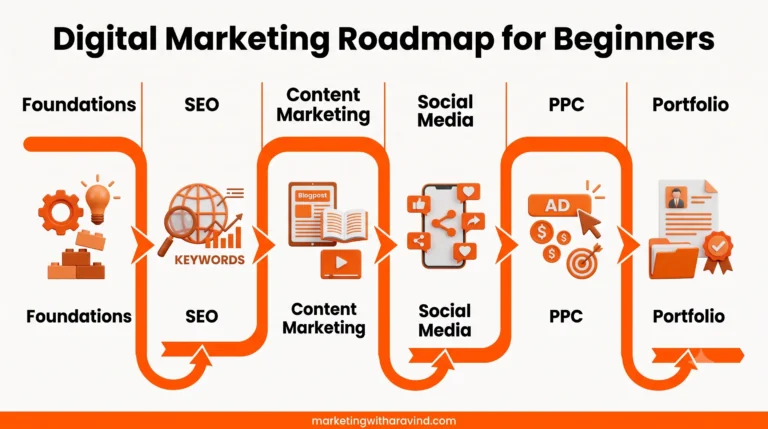
If you’ve felt the same confusion, you’re in the right place. Before comparing these three strategies, it helps to understand the bigger picture first. Our digital marketing for beginners guide breaks down all six channels in plain English, and this article builds directly on it.
Today, we’re breaking down SEO, PPC, and SMM: what each one actually does, where each one wins, and how to decide which one deserves your first dollar.
What Do SEO, PPC, and SMM Actually Mean?
Before comparing anything, let’s get the basics straight. Just plain explanations.
SEO — Search Engine Optimization
SEO is the process of getting your website to show up when someone searches on Google. If you want to understand exactly how that ranking process works, our guide on how search engines work walks through it step by step.
Think of SEO as building a shop in a busy part of town; it takes time to construct, but once it’s built, people keep walking in for free.
PPC — Pay-Per-Click Advertising
PPC means you pay every time someone clicks your ad. It’s the fastest way to appear at the top of Google or on social platforms. Our PPC marketing beginner’s guide covers exactly how these campaigns are structured.
Think of PPC as renting a billboard, visible instantly, but the moment you stop paying, it disappears.
SMM — Social Media Marketing
SMM is building an audience on platforms like Instagram, LinkedIn, and Facebook. Our social media marketing guide explains how to grow a following from zero.
Think of SMM as hosting a community event; you’re building relationships, not just chasing a sale.
SEO vs PPC vs SMM: The Core Differences
Speed of Results
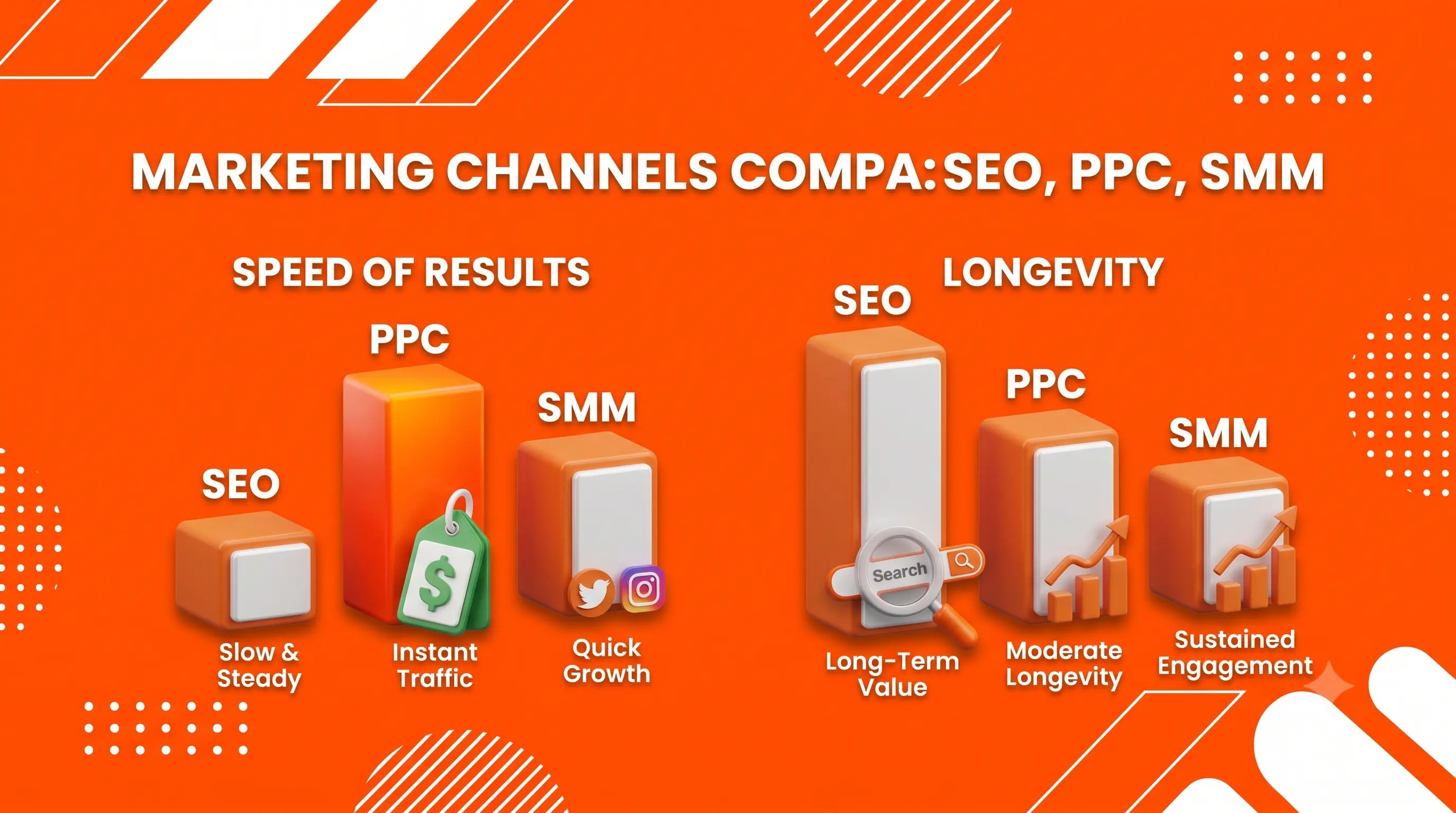
PPC wins here, hands down. Launch a campaign in the morning, and you can have clicks by lunchtime. SEO usually takes 3-6 months to show meaningful movement. SMM sits in between: a good post can go viral overnight, but consistent growth takes weeks of steady posting.
Cost Structure
SEO has no direct cost per visitor once your content ranks — you’re investing time, not per-click dollars. PPC charges you for every click, and costs rise as competition increases. SMM is largely free organically, though paid social ads follow a similar model to PPC.
Longevity of Results
This is where SEO pulls ahead. A blog post that ranks well can drive traffic for years. Stop a PPC campaign, and traffic drops to zero immediately. Stop posting on social media, and engagement fades within days.
SEO vs PPC: Which One Wins?
Neither “wins” outright, they solve different problems.
If you have $500 and need customers this week, PPC is the better move. If you’re building a business for the next 3-5 years and can be patient, SEO delivers a much stronger return over time.
A freelance graphic designer with a tight monthly budget might run a small $10/day PPC campaign to get immediate leads, while writing SEO content in the background for long-term growth.
SEO vs Social Media Marketing: Which One Wins?
SEO captures people who are actively searching for a solution. SMM reaches people who weren’t looking for you at all, but might still be interested once they see you.
A boutique clothing store benefits enormously from Instagram because the product is visual and impulse-driven. A B2B software company, on the other hand, often gets more value from SEO because buyers research extensively before purchasing.
PPC vs SMM: Which One Wins?
Both can deliver paid traffic, but the intent behind the traffic is different. PPC search ads target people actively searching with buying intent. Paid social ads target people based on interests and behavior, they may not be looking to buy yet.
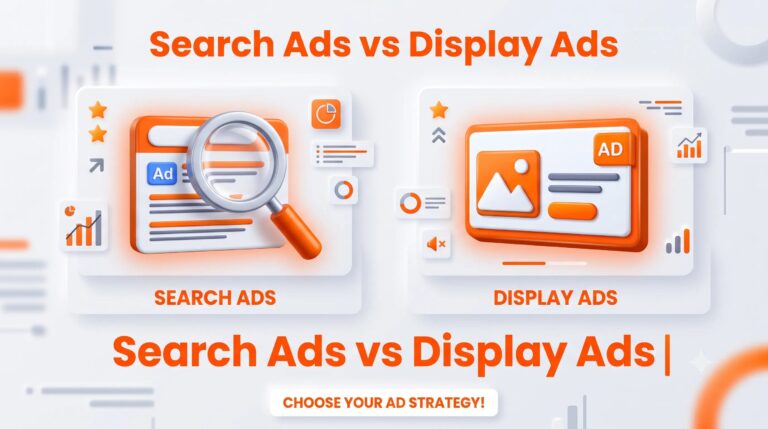
If you’re unsure how these paid formats differ on a technical level, our breakdown of search ads vs display ads is a useful next read.
Side-by-Side Comparison Table
| Factor | SEO | PPC | SMM |
| Cost | Time investment, low direct cost | Pay per click, ongoing budget needed | Mostly free organically |
| Speed | Slow (3-6 months) | Instant | Moderate (weeks) |
| Longevity | Long-term, compounding | Stops when the budget stops | Fades without consistency |
| Best for | Long-term brand building | Quick leads and sales | Community and brand awareness |
| Skill needed | Keyword research, content, on-page SEO | Ad copywriting, bidding strategy | Content creation, consistency |
| Risk level | Low financial risk | Can overspend fast | Low financial risk |
Which Strategy Fits Your Business Type?
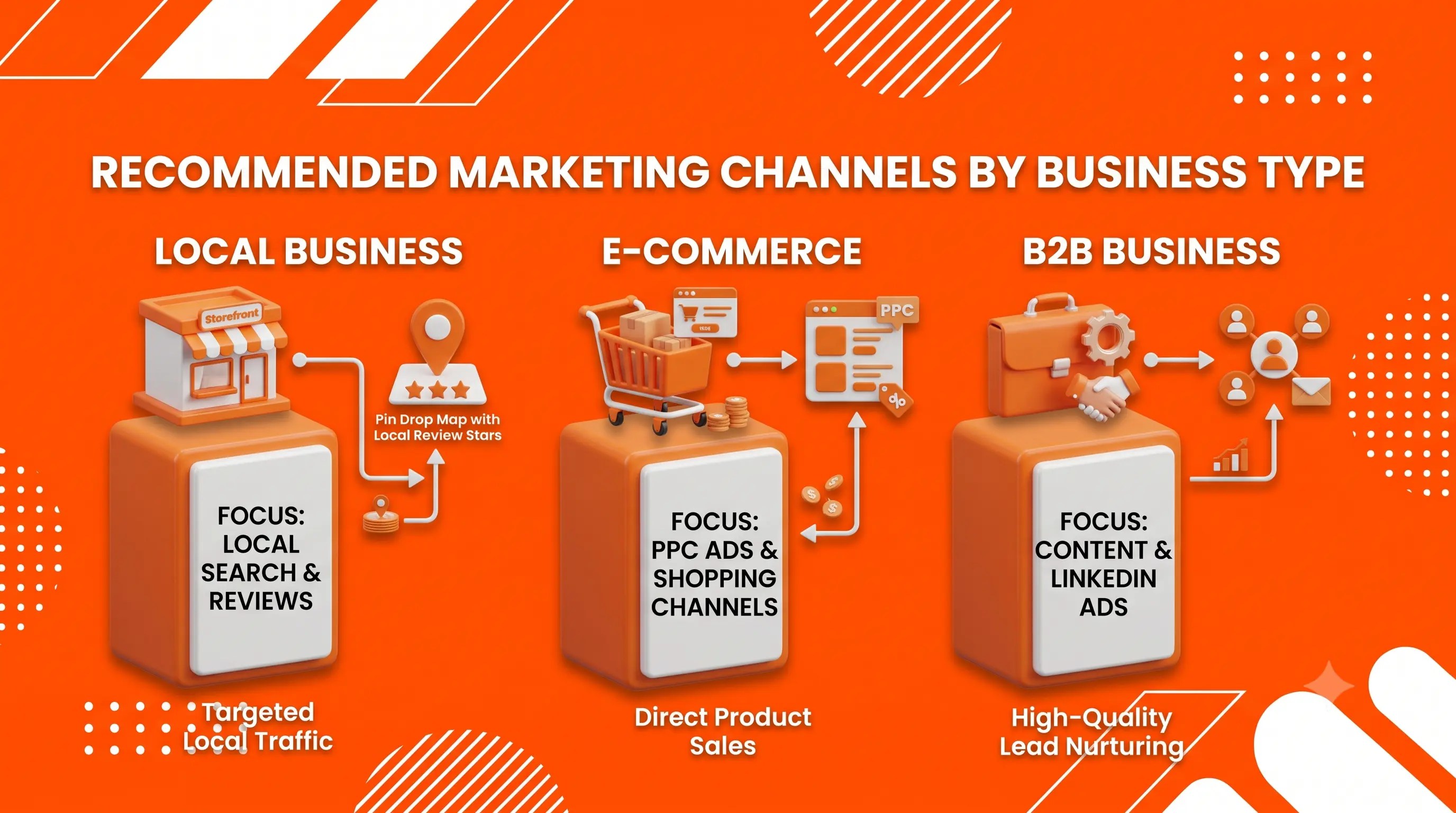
Local Businesses
A local bakery or repair shop should prioritize local SEO first, since most customers search “near me” before buying. A small PPC budget can supplement this during slow seasons.
Ecommerce Stores
E-commerce businesses often benefit most from a mix of PPC (for immediate sales) and SMM (for visual product discovery), while building SEO content in parallel for long-term organic traffic.
B2B Companies
B2B companies typically see the strongest ROI from SEO and LinkedIn-focused SMM, since buyers research thoroughly and decision cycles are longer than for impulse purchases.
Why the Smartest Beginners Use All Three Together
The businesses that grow fastest rarely rely on just one channel. SEO builds the foundation. PPC fills the gap while SEO grows. SMM builds trust and keeps your audience engaged between purchases.
Picture a funnel: PPC and SMM bring people in quickly, while SEO content keeps working quietly in the background, month after month, without extra ad spend.
How to Choose Where to Start
If you have more time than money, start with SEO. If you have some budget and need quick validation of an offer, start with PPC. If your product is visual or you enjoy creating content, start with SMM.
There’s no wrong starting point, only a mismatched one. Choosing based on your actual resources, not what worked for someone else, is what makes the difference.
Common Mistakes Beginners Make
- Expecting SEO results within a few weeks
- Running PPC ads without tracking conversions
- Posting on social media inconsistently, then giving up
- Choosing a channel because it’s trendy, not because it fits the business
- Ignoring on-page SEO basics while chasing paid traffic instead
Checklist: Picking Your First Channel
- Define your budget (time vs money available)
- Identify your ideal customer’s buying behavior
- Decide if you need instant leads or long-term growth
- Pick one primary channel to focus on first
- Set a 90-day goal before switching strategies
- Track basic metrics (traffic, clicks, engagement)
- Revisit and adjust your channel mix quarterly
FAQ
What is the difference between SEO, PPC, and SMM?
SEO focuses on ranking in search results organically, PPC involves paying for clicks on ads, and SMM focuses on building an audience on social platforms.
Which is better, SEO, PPC, or SMM?
None is universally better, the right choice depends on your budget, timeline, and business type.
Should I choose SEO or PPC first?
Choose PPC if you need quick results and have a budget. Choose SEO if you can invest time and want long-term, compounding traffic.
Is social media marketing better than SEO?
Not necessarily. SMM builds relationships and brand awareness, while SEO captures people actively searching for solutions. They serve different goals.
Can SEO, PPC, and SMM work together?
Yes. Many successful businesses combine all three, using PPC and SMM for immediate visibility while SEO grows steadily in the background.
Which strategy is best for complete beginners?
Start with whichever channel matches your available resources. If you have more time than money, SEO is a strong starting point.
Which channel gives the fastest results?
PPC delivers the fastest results, often within hours of launching a campaign.